

 Written by
 When you’re Choosing a web hosting package, It can be a confusing and expensive process. The industry is filled with technical jargon, tiered pricing, and aggressive upselling that often pushes users toward plans that are far more powerful—and costly—than they actually need. The result is overspending and frustration before your project is even live.
4 Web Hosting Truths That Will Save You Money
This guide cuts through the noise. We will reveal four practical truths about web hosting that challenge common assumptions and empower you to make smarter, more cost-effective decisions. By understanding these core principles, you can simplify the selection process You can avoid unnecessary fees, and ensure you’re only paying for what your project truly requires.
1. For a Simple Landing Page, You Might Not Need Hosting at All

It may sound counter-intuitive, but if your goal is to launch a basic, single-page website, you might not need to purchase a separate hosting package. This is because many domain name registrations already include a simple, one-page site builder. This is often overlooked but is perfectly sufficient for displaying essential information like contact details, a brief business summary, or event information.
This approach is exceptionally cost-effective. A standard .com domain can cost as little as £1.99, and some providers, like Namesco.uk, have even offered free .co.uk and .uk domains. This simple fact challenges the widespread belief that every web presence requires a complex hosting plan from day one. By starting with the absolute minimum, you can establish your online footprint without any initial hosting overhead.
2. Powerful Free Tools Can Do More Than You Think
Before committing to a paid plan, it’s worth exploring the high-quality free services that can serve as viable alternatives for specific needs like landing pages and basic blogs.
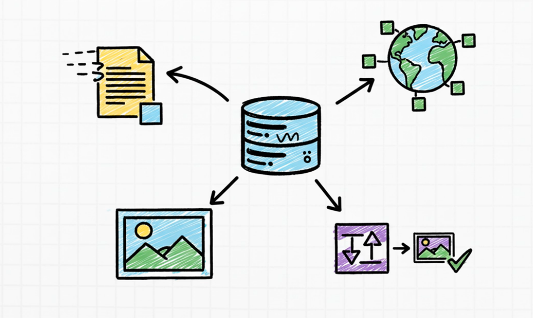
For a landing page, a service like aWeber offers a completely free option that is surprisingly robust. It allows you to design a professional page with text, images, and video. Crucially, it also includes a contact form that integrates directly with an email automation tool, letting you build a subscriber list of up to 1,000 contacts at no cost. While the free page results in a long URL, you can always cloak your address or connect it to a custom domain for a more branded appearance.
For a simple blog, a platform like Google Blogger is an ideal free solution. While these services hosted on subdomains may have limitations, such as restrictions on adding custom plug-ins, they are perfectly suitable for straightforward blogging. Though you cannot directly attach a custom domain, you can easily redirect or cloak your domain to point to the free blog, providing a professional-looking entry point. Leveraging these powerful free tiers allows you to test your ideas and build an audience before investing in a paid hosting plan.
3. Sidestep the “WordPress Hosting” Surcharge
Many hosting companies market a premium “WordPress hosting” package, which typically comes at a higher price than their standard plans. However, you can bypass this surcharge by purchasing a standard web hosting plan and installing WordPress yourself. This is a straightforward process, with official step-by-step guides available directly from the WordPress.org documentation and countless video tutorials.
This approach is especially recommended for more complex projects, such as an e-commerce store. With a standard hosting plan that doesn’t limit plug-ins, you can install a tool like Woo Commerce to build a fully functional webstore, complete with product listings and payment processing. A package like the “Starter Plan” from JustHostMe provides all the necessary features for a single website, allowing you to get a powerful site running without paying a premium for a specialized label.
4. If You Have Multiple Projects, Think Like an Agency
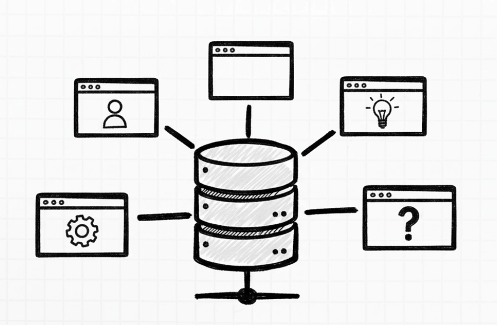
Managing multiple websites on individual hosting plans is both inefficient and expensive. If you run more than one project—whether for clients, for different business ventures, or simply for personal use—adopting a multi-site hosting plan is the most strategic and cost-effective solution.
For example, a plan like the one from Fasthosts provides space for up to 20 websites under a single account. This consolidated approach not only saves money compared to paying for separate plans but also provides the creative space and flexibility to launch new projects whenever inspiration strikes. For anyone running two or more sites—or even just planning a second—a multi-site package isn’t just competitive; it’s a financial and logistical necessity.
Conclusion: Match the Tool to the Task

The key to choosing the right web presence is not about finding the biggest or most feature-packed package. Instead, it’s about intelligently matching the solution to the specific task at hand. A simple landing page doesn’t need a robust e-commerce plan, and a portfolio of websites is better managed under a single, consolidated account.
By challenging common assumptions and understanding the alternatives—from free builders to self-installing WordPress—you can avoid overpaying and build a more efficient, sustainable online presence.
Now that you know the options, what’s the one assumption about web hosting you can challenge for your next project?